

Powerful cannabis cultivation depends greatly on specific Cannabis Climate Control. Knowledge from commercial grow procedures constantly implies that optimized environmental situations may improve yields by 15–30% while increasing cannabinoid and terpene consistency. Knowledge how temperature, moisture, and CO₂ interact is needed for growers aiming for predictable, supreme quality harvests.
Why Is Temperature Control Critical for Cannabis Development?
Temperature right impacts photosynthesis, transpiration, and vitamin uptake. Market standards show that most cannabis strains accomplish most readily useful within a day array of 22–28°C and a night selection of 18–22°C. Deviations beyond these stages may reduce metabolic performance by up to 20%.
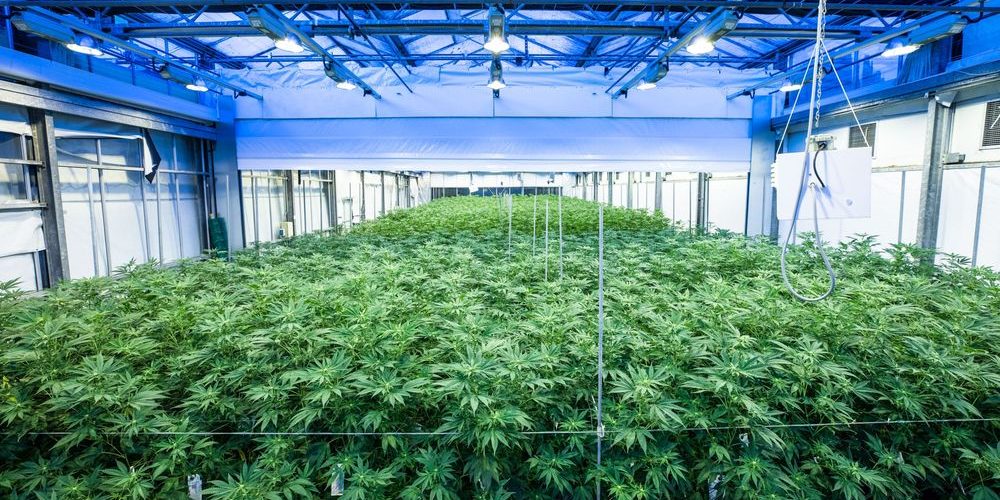
Throughout the vegetative period, slightly hotter conditions promote quick leaf and base development. In contrast, controlled chilling all through flowering assists defend terpene pages and resin production. Services that keep stable heat differentials report more standard seed design and paid down stress-related issues.
How Does Humidity Influence Yield and Seed Health?
Humidity management is one of the most statistically significant facets in condition prevention. Studies across indoor farming environments reveal that improper relative humidity is linked to around 70% of form and mold outbreaks.
Optimal humidity levels vary by development point:
Seedling and early vegetative phases take advantage of higher humidity, on average 60–70%.
Late vegetative growth works properly around 55–60%.
Flowering phases require stronger control , often 40–50%, to safeguard bloom quality.
Managing moisture with circulation and heat reduces condensation risk and supports constant transpiration rates. Grow areas with computerized moisture control systems constantly display lower crop reduction rates year over year.
What Position Does CO₂ Enjoy in Cannabis Output?
CO₂ enrichment has become a data-backed technique for maximizing output. Under optimum illumination and nutrient conditions, increasing CO₂ concentrations from surrounding levels (~400 ppm) to managed ranges of 1,000–1,500 ppm may increase photosynthetic prices by up to 25%.
Nevertheless, CO₂ effectiveness is straight linked with temperature and humidity. Without appropriate climate harmony, increased CO₂ provides decreasing returns. Qualified facilities check CO₂ in realtime to ensure enrichment aligns with place demand, preventing needless running costs.
How Do Heat, Humidity, and CO₂ Work Together?
These three factors be an integral system as opposed to remote controls. As an example, larger CO₂ degrees let crops to accept slightly warmer temperatures, while moisture should be altered to steadfastly keep up balanced transpiration. Statistical designs utilized in contemporary grow operations reveal that synchronized climate control may increase over all power performance by 10–18%.
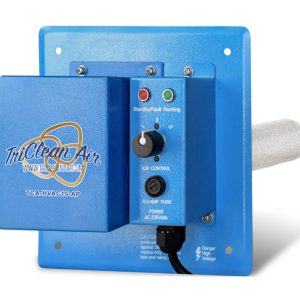
Growers who rely on data-driven climate techniques report more regular crop cycles and improved product uniformity across batches.
What Will be the Long-Term Advantages of Enhanced Climate Control ?
Beyond quick provide improvements, stable climate control helps scalability and compliance. Services with reported environmental reliability knowledge less generation distractions and more estimated functional planning. Over time, this results in tougher margins and higher-quality outputs.
Realization
Temperature, humidity, and CO₂ are the inspiration of successful cannabis climate control. When handled applying measurable standards and integrated strategies, they build an atmosphere wherever plants may achieve their complete genetic potential. For professional growers, investing in precise climate management is not really a technical choice—it is an established pathway to regular performance and long-term success.