

What Makes Climate Control a Non-Negotiable Factor in Cannabis Farming?
Consistent cannabis generation depends heavily on environmental precision. Research across controlled-environment agriculture demonstrates heat, humidity, airflow, and CO₂ degrees immediately impact plant metabolism. Even little changes may disturb photosynthesis, slow development, or minimize cannabinoid development. For year-round cannabis procedures, Greenhouse HVAC is not really a periodic adjustment—it is just a continuous detailed necessity that protects generate security and generation schedules.
How Does Temperature Administration Help Constant Harvest Cycles?
Heat represents a defining role in vegetative development and flowering performance. Knowledge from indoor farming services show that maintaining secure temperature ranges can improve development uniformity by around 20%. Without correct climate control , seasonal heat or cold stress allows plants in to emergency function, decreasing biomass accumulation. Sophisticated systems support growers maintain optimal day-night differentials, ensuring consistent plant cycles no matter outdoor conditions.
Why Is Moisture Control Essential for Place Wellness and Disease Elimination?
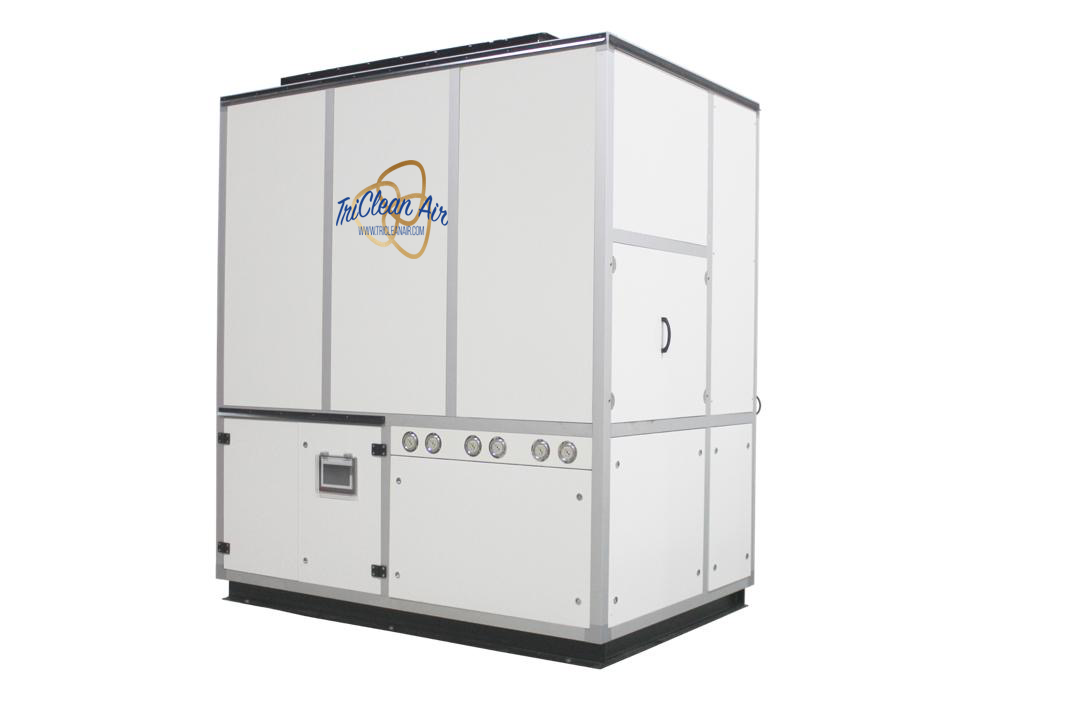
Moisture discrepancy is one of many primary factors behind crop reduction in cannabis facilities. Statistical analyses from commercial grow situations reveal that incorrect humidity management increases the chance of shape and form by almost 30%. Controlled humidity helps effective transpiration, vitamin uptake, and origin health. For year-round generation, dehumidification and water regulation are crucial to sustaining estimated outcomes and avoiding costly remediation.
What Role Does CO₂ Optimization Enjoy in Year-Round Generate Consistency?
CO₂ enrichment has been shown to increase photosynthetic effectiveness when combined with accurate temperature and lighting control. Reports suggest that enhanced CO₂ levels can improve place output by as much as 25%. However, these gets are only possible when climate methods ensure healthy airflow and secure concentration levels. Constant climate control allows growers to safely leverage CO₂ supplementation through the duration of all seasons.
How Does Climate Control Defend Working ROI?
From an economic perspective, climate control right affects functional efficiency. Facilities that implement integrated climate programs report reduced energy spend and decrease crop loss rates. Statistical performance criteria reveal that improved surroundings can reduce unplanned downtime and improve crop predictability. As time passes, this consistency strengthens source cycle consistency and stabilizes revenue revenues for commercial growers.
Why Is Seasonal Liberty a Competitive Benefit?
Year-round cannabis generation removes dependence on external weather habits, letting businesses to meet industry need consistently. Climate-controlled operations display larger annual output per sq base compared to season-dependent grows. This independence supports long-term planning, agreement satisfaction, and solution quality consistency—essential metrics in a aggressive market.
What Does the Data State About Long-Term Sustainability?
Sustainability metrics increasingly prefer controlled environments. Contemporary climate control programs minimize water waste, optimize power use, and support scalable development models. Statistical styles reveal that services with accurate environmental regulates knowledge lengthier equipment lifecycles and more stable operational costs. That makes climate control not really a expansion instrument, but a proper investment.
Final Information
Cannabis climate control may be the backbone of year-round production. By stabilizing temperature, moisture, airflow, and CO₂ levels, growers can perform expected produces, consistent quality, and tougher economic performance. In a industry driven by data and efficiency, controlled surroundings are no longer optional—they are required for sustained success.